
How to Start a Credit Repair Business Legally (CROA Compliance)
Contents:
- Overview of the End Result
- What You’ll Need
- Numbered Steps
- Understand CROA Requirements Thoroughly
- Obtain Required State Licensing and Bonding
- Build Compliant Client Contracts
- Set Up a Legally Compliant Billing Structure
- Build Your Dispute and Documentation Process
- Common Mistakes to Avoid
- A Cost Breakdown
- A Personal Example
- A Sustainability Angle
- FAQ
- Can I legally charge clients before disputes are resolved?
- Do all states require a surety bond for this business?
- Next Steps
What if genuinely helping people repair damaged credit, something you might already do informally for friends and family, could become a real, fully compliant business?
Overview of the End Result
Starting a legally compliant credit repair business means understanding and following the Credit Repair Organizations Act, or CROA, from day one, building client contracts, dispute processes, and billing practices that meet federal requirements exactly.
What You’ll Need
A surety bond required in most states, CROA-compliant client contracts, dispute letter templates, and typically $3,000-$8,000 in startup capital for licensing, bonding, and initial software tools.
Numbered Steps
1. Understand CROA Requirements Thoroughly
CROA prohibits charging fees before services are actually performed and requires specific written disclosures to every client before signing any agreement.
2. Obtain Required State Licensing and Bonding
Many states require a surety bond, typically $10,000-$100,000 depending on the state, protecting consumers from potential business misconduct.
3. Build Compliant Client Contracts
Contracts must include specific cancellation rights, a clear description of services, and total cost disclosure, all required precisely under CROA’s consumer protection provisions.
4. Set Up a Legally Compliant Billing Structure
Since upfront fees are prohibited, billing structures typically charge only after specific disputed items are actually removed or resolved on the client’s credit report.
5. Build Your Dispute and Documentation Process
A systematic process for filing disputes with credit bureaus and documenting every step protects both your clients and your business from compliance issues.
Common Mistakes to Avoid
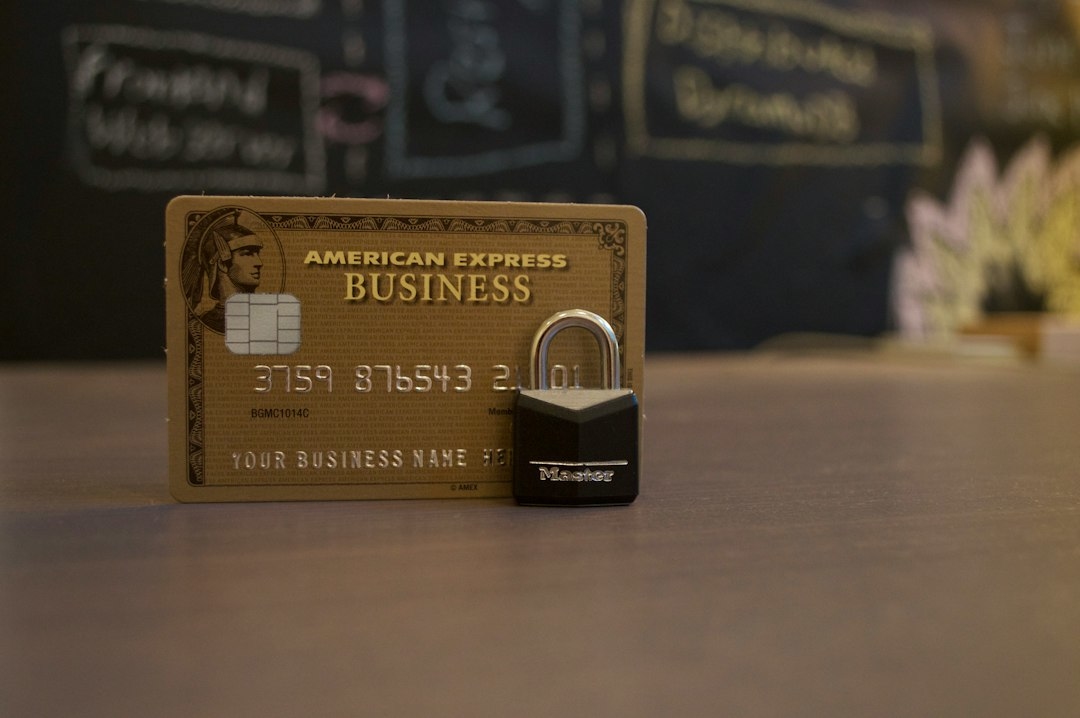
New credit repair businesses frequently violate CROA by collecting fees upfront before any service is rendered, a serious compliance violation carrying real legal risk. Others make unrealistic promises about guaranteed results, which CROA specifically prohibits regardless of how confident you feel about a particular case.
A Cost Breakdown
State licensing and bonding typically costs $500-$2,000 depending on your specific state’s bond requirement. Credit repair software for dispute management runs $100-$300 monthly. Legal review of your client contract template typically costs $500-$1,500 upfront.
A Personal Example
A credit repair business owner in Austin built her entire client contract and billing process with an attorney’s review before ever taking a single client, avoiding the compliance pitfalls that have shut down less careful competitors in her market.
A Sustainability Angle
Most modern credit repair businesses now manage dispute correspondence and client documentation entirely digitally, eliminating the paper-heavy filing systems this industry historically relied on.
FAQ
Can I legally charge clients before disputes are resolved?
No, CROA specifically prohibits charging fees before services are actually performed, making performance-based billing the standard compliant structure.
Do all states require a surety bond for this business?
Most states do, though exact bond amounts and specific requirements vary significantly, so confirm your specific state’s rules before launching.
Next Steps
Consult with an attorney familiar with CROA before drafting your client contracts, since compliance mistakes here carry genuine legal risk that’s far cheaper to avoid upfront than fix later.



