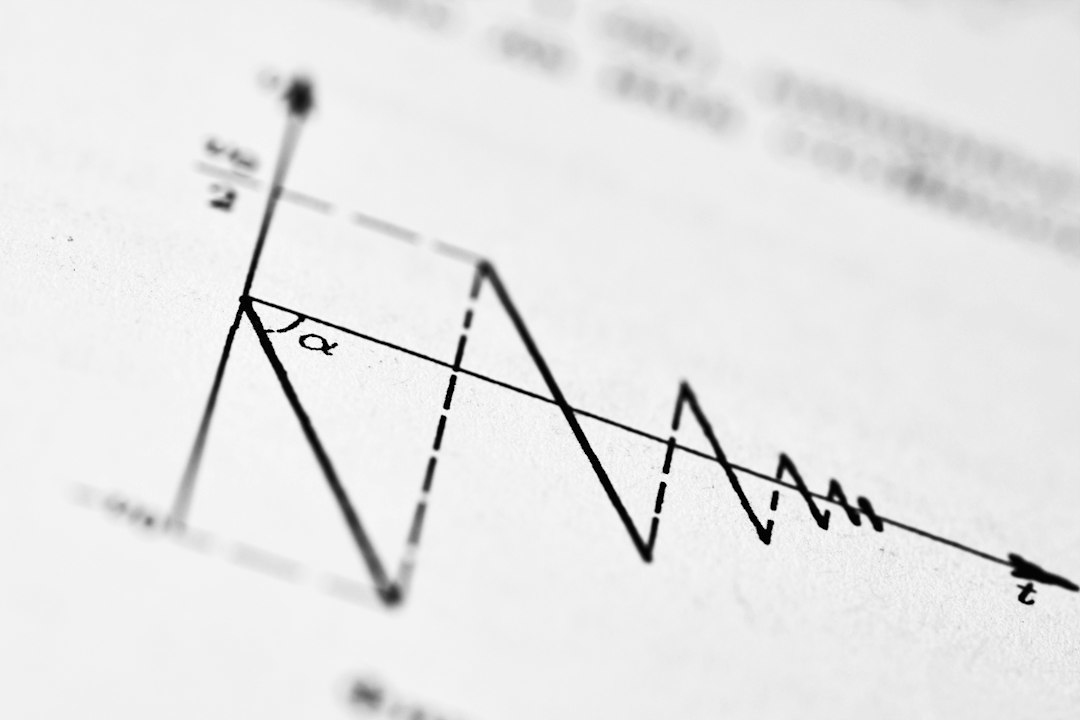
Cause and Effect in the Business Cycle Explained
Contents:
- Direct Answer
- Why This Is So
- Detailed Breakdown
- A Regional Difference
- A Comparison: Business Cycle vs. Seasonal Fluctuation
- A Personal Example
- Exceptions and Nuances
- FAQ
- How long does a typical business cycle last?
- Can businesses actually predict which phase is coming next?
- Does every business feel each phase equally?
- What role do interest rates specifically play in this cause-and-effect chain?
- Wrap-Up
A common myth suggests recessions simply happen randomly, striking economies out of nowhere, but the business cycle actually follows a fairly consistent cause-and-effect chain that repeats across decades.
Direct Answer
The business cycle moves through expansion, peak, contraction, and trough phases, each triggered by specific economic causes like interest rate changes, consumer spending shifts, or supply disruptions feeding directly into the next phase.
Why This Is So
Economic activity is deeply interconnected: rising consumer spending causes businesses to hire and invest, which eventually causes inflation, which causes interest rate hikes, which causes slower spending, restarting the cycle.
Detailed Breakdown
During expansion, low interest rates and consumer confidence cause increased spending and hiring. At the peak, resource constraints and rising prices cause inflation pressure. During contraction, higher rates and reduced spending cause layoffs and business slowdowns. At the trough, low prices and pent-up demand eventually cause renewed spending, restarting expansion.
A Regional Difference
Manufacturing-heavy regions in the Midwest historically feel contraction phases more severely than service-heavy coastal economies, since manufacturing demand typically drops faster and more sharply during economic slowdowns.
A Comparison: Business Cycle vs. Seasonal Fluctuation
The business cycle reflects broad, multi-year economic shifts driven by interest rates and spending patterns. Seasonal fluctuation reflects predictable, short-term demand changes tied to specific times of year, a much narrower and more predictable pattern.
A Personal Example
A small Austin retail business owner noticed sales slow noticeably as interest rates rose, watching firsthand how rate hikes intended to control inflation directly reduced her customers’ discretionary spending within just a few months.
Exceptions and Nuances
External shocks, like a pandemic or sudden geopolitical event, can trigger business cycle phases outside the normal interest-rate-driven pattern, compressing timelines dramatically compared to typical cycle length.
FAQ
How long does a typical business cycle last?
Historical business cycles in the US have averaged roughly five to ten years from peak to peak, though individual cycles vary considerably in length.
Can businesses actually predict which phase is coming next?
Not with certainty, though tracking indicators like interest rates, employment data, and consumer confidence helps businesses anticipate likely shifts reasonably well.
Does every business feel each phase equally?
No, industries vary significantly in cycle sensitivity; discretionary retail and construction typically feel contractions more severely than essential services like healthcare or utilities.
What role do interest rates specifically play in this cause-and-effect chain?
The Federal Reserve raises rates to cool inflation, which causes borrowing to slow, which causes reduced spending and hiring, directly triggering the transition into contraction.
Wrap-Up
Understanding the actual cause-and-effect chain driving the business cycle helps owners anticipate shifts rather than reacting only after a downturn has already fully arrived at their own door.



