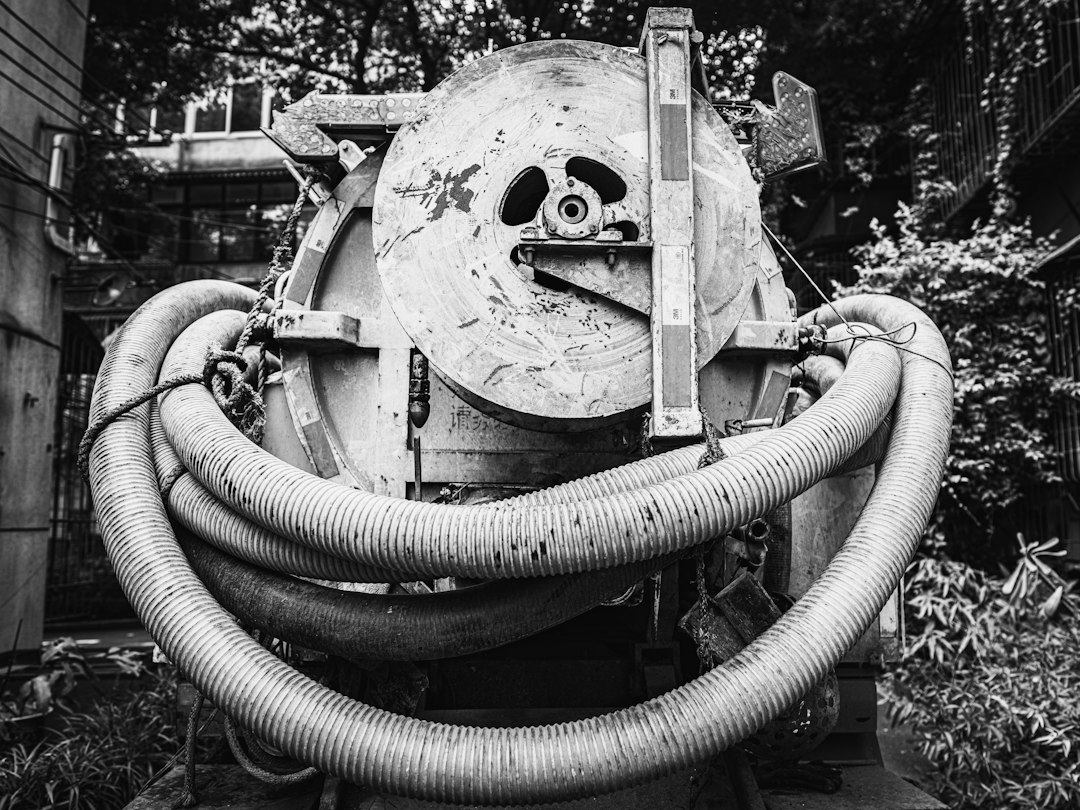
How to Start a Septic Tank Pumping Business
Contents:
- Brief Intro
- Preparation
- Step-by-Step
- Step 1: Obtain Required State Licensing
- Step 2: Purchase or Finance a Pump Truck
- Step 3: Secure Proper Insurance
- Step 4: Establish a Legal Disposal Relationship
- Step 5: Price by Tank Size and Service Type
- An Expert Quote
- A Cost Breakdown
- Pro Tips
- FAQ
- How often do septic tanks typically need pumping?
- Do I need special certification beyond a standard business license?
- How much can a septic pumping business realistically earn?
- What’s the biggest ongoing operational cost besides the truck itself?
- Is this business seasonal or steady year-round?
Septic systems have quietly served homes without municipal sewer access since the 1860s, and more than 150 years later, someone still has to show up regularly to pump and maintain every single one of them.
Brief Intro
Septic pumping remains a steady, recession-resistant business, since homes with septic systems require regular maintenance regardless of broader economic conditions.
Preparation
A pump truck, proper state licensing, and liability insurance covering waste handling are essential before taking on your first paying customer.
Step-by-Step
Step 1: Obtain Required State Licensing
Most states require specific licensing for septic waste hauling and disposal, typically involving an exam and proof of proper disposal site access.
Step 2: Purchase or Finance a Pump Truck
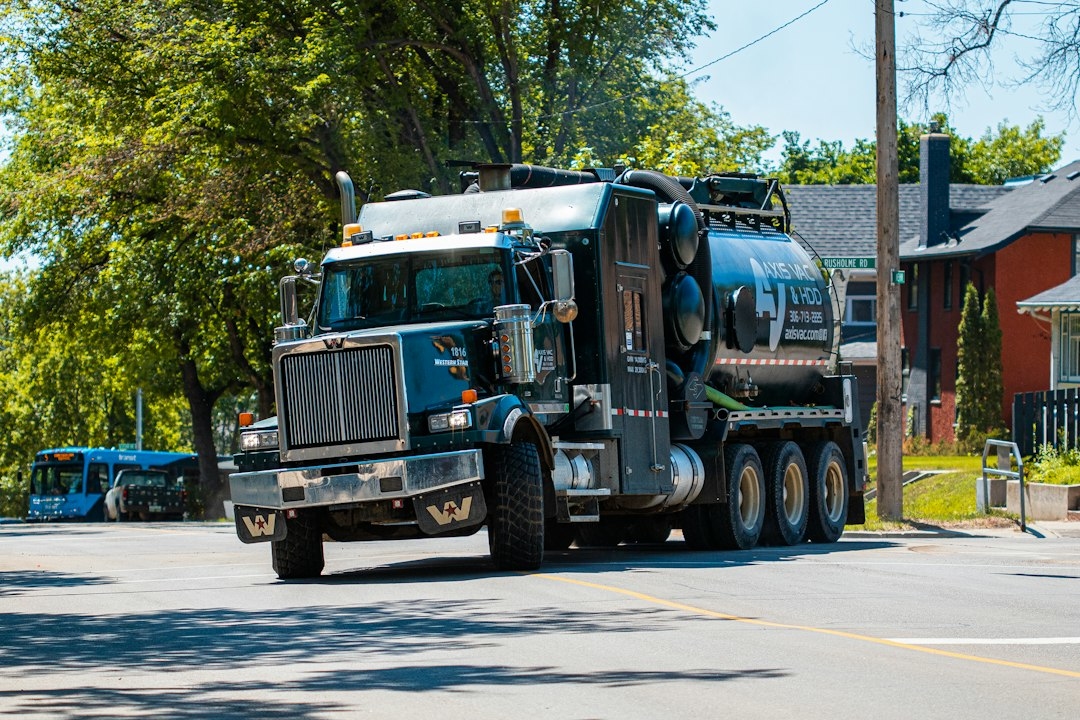
A used septic pump truck typically costs $30,000-$80,000, representing the single largest startup investment for this specific business.
Step 3: Secure Proper Insurance
General liability and environmental liability coverage, given waste handling risk, typically costs $3,000-$7,000 annually depending on coverage limits.
Step 4: Establish a Legal Disposal Relationship
Partnering with a licensed wastewater treatment facility for proper disposal is legally required and should be arranged before your first service call.
Step 5: Price by Tank Size and Service Type
Standard residential septic pumping typically costs customers $300-$600 per service, with larger tanks or emergency service commanding higher rates.
An Expert Quote
“This industry rewards reliability above almost everything else,” notes wastewater services consultant Delano Achterberg. “Customers remember whoever shows up on time and does the job right, and that reputation drives the majority of new business through referrals.”
A Cost Breakdown
Beyond the pump truck, budget $5,000-$10,000 for licensing, insurance, and initial marketing. Ongoing costs include fuel, truck maintenance, and disposal facility fees, which typically factor directly into your per-service pricing.
Pro Tips
Build relationships with local real estate agents and home inspectors, since septic inspections during home sales generate consistent, predictable referral business beyond routine maintenance calls alone.
FAQ
How often do septic tanks typically need pumping?
Most residential septic tanks need pumping every three to five years, depending on household size and tank capacity.
Do I need special certification beyond a standard business license?
Yes, most states require specific septic hauler licensing distinct from a general business license, so confirm your specific state’s requirements before purchasing equipment.
How much can a septic pumping business realistically earn?
Established operators with one truck typically earn $60,000-$100,000 annually, with multi-truck operations earning considerably more.
What’s the biggest ongoing operational cost besides the truck itself?
Disposal facility fees, charged per gallon at licensed treatment sites, represent a significant recurring cost that should be factored directly into your per-service pricing structure.
Is this business seasonal or steady year-round?
Demand stays fairly steady year-round, though some regions see a modest uptick in spring and summer when ground conditions make service calls easier to schedule.



