
What Is a SAFE Note and How Does It Work?
Contents:
- Quick Answer Box
- Intro Question
- Brief Answer
- Why This Structure Exists
- What the Pros Know
- When It Applies and When It Doesn’t
- Conclusion
- FAQ
- Does a SAFE note pay interest like a loan?
- What happens if the startup never raises another funding round?
- Is a SAFE note the same in every state or country?
- Can multiple SAFE notes stack from different investors?
- What’s the difference between a SAFE note and convertible debt?
- Who typically drafts the SAFE note documentation?
- Does signing a SAFE note give the investor voting rights immediately?
You just wrapped up your first genuine conversation with an angel investor, and they casually mentioned wanting to use a “SAFE note” as if the term were already obvious to you.
Quick Answer Box
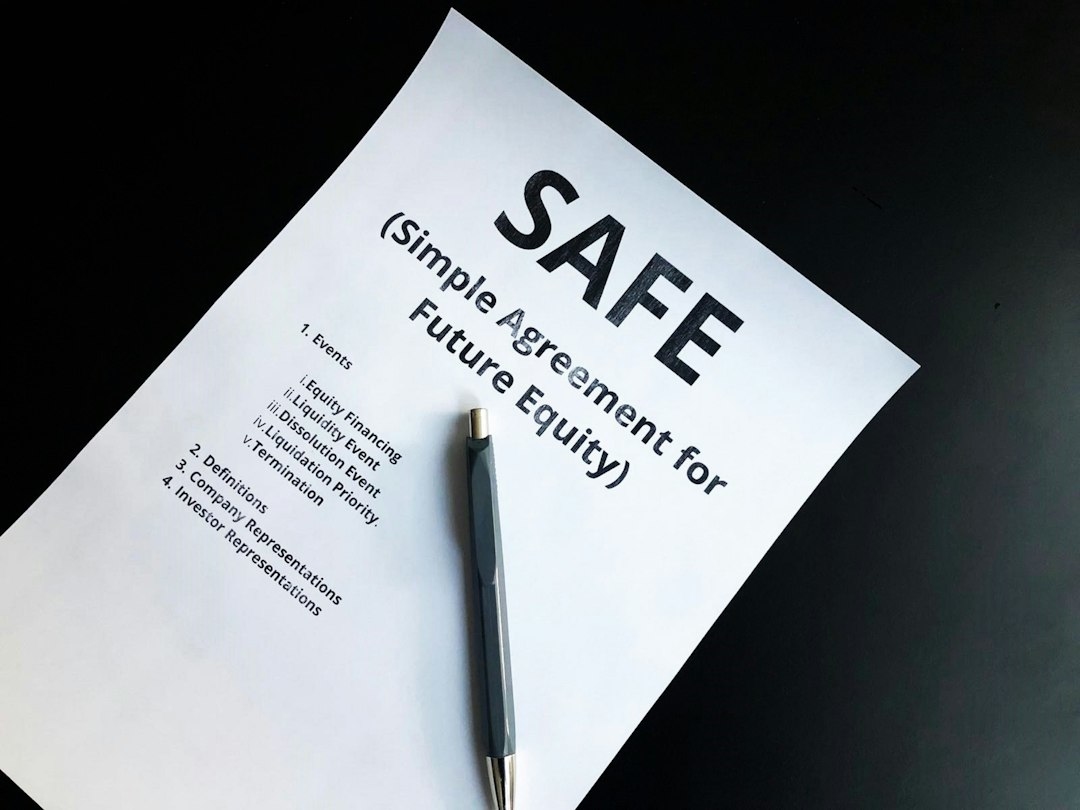
A SAFE note, or Simple Agreement for Future Equity, is an investment contract giving an investor the right to future equity once a specific triggering event, usually a priced funding round, occurs later.
Intro Question
How exactly does an investor hand over real cash today without receiving any actual equity or interest payments in return immediately?
Brief Answer
A SAFE note isn’t debt or equity in the traditional sense; it’s a contractual promise converting to equity later, typically at a discount or valuation cap, once the startup raises a subsequent priced funding round.
Why This Structure Exists
SAFE notes let very early-stage startups raise capital quickly without the time and legal expense of negotiating a full priced equity round before the business has enough traction to be properly valued.
What the Pros Know
Experienced startup attorneys always recommend negotiating the valuation cap carefully, since this single number determines exactly how much equity an investor ultimately receives once conversion actually happens.
When It Applies and When It Doesn’t
SAFE notes work well for very early-stage startups without enough traction to support a formal valuation yet. They apply poorly to more mature companies with established revenue, where a traditional priced equity round or debt financing typically serves both parties better.
Conclusion
SAFE notes offer founders a genuinely faster, simpler path to early capital, but understanding exactly how and when conversion happens matters enormously before signing, since the terms directly determine how much equity you’ll eventually give up.
FAQ
Does a SAFE note pay interest like a loan?
No, unlike convertible debt, SAFE notes don’t accrue interest, since they’re structured as a future equity right rather than a traditional loan instrument.
What happens if the startup never raises another funding round?
Most SAFE notes include provisions for conversion or repayment triggered by an acquisition or dissolution event, even without a subsequent priced round occurring.
Is a SAFE note the same in every state or country?
The standard template originated in the US, and while widely adopted, specific legal treatment can vary, so international founders should confirm local applicability.
Can multiple SAFE notes stack from different investors?
Yes, startups often raise several SAFE notes from different investors before an eventual priced round, all converting together based on their individual specific terms.
What’s the difference between a SAFE note and convertible debt?
Convertible debt is technically a loan that accrues interest and has a maturity date, while a SAFE note carries no interest and no repayment obligation if conversion never triggers.
Who typically drafts the SAFE note documentation?
Most startups use the standardized template originally published by Y Combinator, adjusting only the valuation cap and discount rate for the specific deal.
Does signing a SAFE note give the investor voting rights immediately?
No, investors typically receive no voting or board rights until the note actually converts into real equity shares at a later funding round.



