
How to Start a Jewelry Business From Home
Contents:
- Overview of the End Result
- What You’ll Need
- Numbered Steps
- Define a Focused Product Line
- Source Quality Materials Wholesale
- Set Up a Home Workspace
- Photograph Pieces Professionally
- Launch on Etsy or a Simple Shopify Store
- Price for Real Profit, Not Just Materials
- Common Mistakes to Avoid
- A Cost Breakdown
- A Personal Example
- FAQ
- Do I need a business license to sell jewelry from home?
- How much can a home jewelry business realistically earn?
- Next Steps
You’ve got a drawer full of handmade pieces, earrings, bracelets, maybe a few necklaces, and friends keep asking where they can actually buy one instead of just admiring yours.
Overview of the End Result
Starting a home-based jewelry business means turning that drawer of pieces into a repeatable, profitable operation, complete with a clear product line, online storefront, and a small but growing base of paying customers.
What You’ll Need
Basic jewelry-making tools and materials, a modest photography setup, an online selling platform, and roughly $500-$2,000 in startup capital depending on your chosen materials and initial inventory size.
Numbered Steps
1. Define a Focused Product Line
Choose two or three signature styles rather than making everything, since a focused line builds a recognizable brand identity faster than scattered, unrelated designs.
2. Source Quality Materials Wholesale
Buying beads, wire, and findings wholesale rather than at retail craft store prices significantly improves your margin on every single piece sold.
3. Set Up a Home Workspace
A dedicated table with good lighting and organized storage bins prevents the chaos that comes from crafting materials scattered across the kitchen counter.
4. Photograph Pieces Professionally
Natural light near a window, a simple neutral background, and a smartphone camera produce genuinely sellable product photos without any expensive equipment required.
5. Launch on Etsy or a Simple Shopify Store
Etsy offers built-in search traffic ideal for new sellers, while Shopify gives more branding control once you’ve validated demand for your specific pieces.
6. Price for Real Profit, Not Just Materials
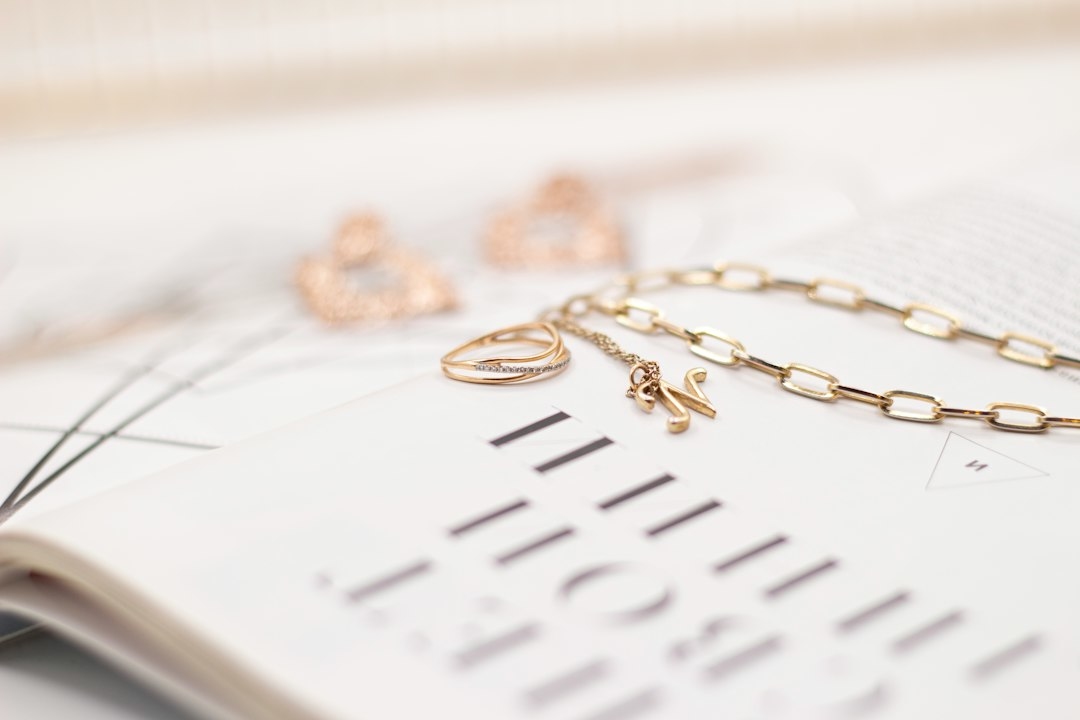
Factor in your time, not just materials cost, when setting prices, since undervaluing labor is the single most common reason handmade jewelry businesses struggle to become genuinely profitable.
Common Mistakes to Avoid
New sellers frequently underprice their work to seem competitive, then burn out from working hours that don’t actually cover fair pay. Others try to offer too many product variations too early, spreading limited time thin across dozens of designs instead of perfecting a focused few.
A Cost Breakdown
Initial tools like pliers, wire cutters, and a jewelry mat run $50-$150. Starting material inventory for 20-30 pieces typically costs $200-$500. Photography and listing setup costs are largely free beyond your existing smartphone and time invested.
A Personal Example
A home-based jewelry maker in Austin started selling handmade earrings to coworkers before launching an Etsy shop, growing from $200 in monthly sales to over $2,000 within eight months by focusing exclusively on her three best-selling earring styles.
FAQ
Do I need a business license to sell jewelry from home?
Most cities require a basic business license or sales tax permit even for home-based sellers, so check your specific local requirements before your first sale.
How much can a home jewelry business realistically earn?
Part-time sellers often earn $500-$2,000 monthly, while dedicated full-time sellers with an established brand can earn considerably more.
Next Steps
Start by listing five of your best pieces on Etsy this week, using real customer feedback from those first sales to refine your focused product line before investing in additional inventory.



