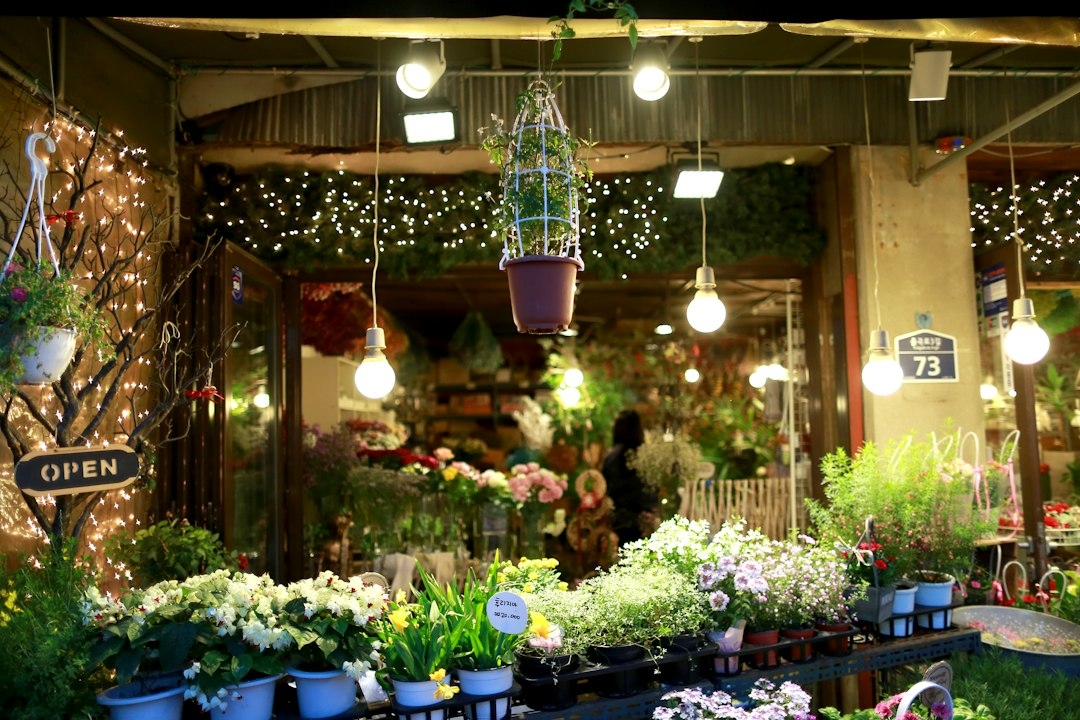
Starting a Florist Business: A Practical Roadmap
Contents:
- Short Answer Upfront
- Context of the Question
- Detailed Explanation
- Choose Your Business Model First
- Build Wholesale Supplier Relationships
- Price for Real Profit
- What the Pros Know
- A Seasonal Timeline
- Examples
- Conclusion
- FAQ
- Do I need formal floral design training to start?
- How much does initial inventory typically cost?
- Can a florist business be run entirely from home?
- How do I price arrangements to actually turn a profit?
- What’s the biggest early expense besides flowers themselves?
You’ve arranged flowers for enough friends’ weddings and birthday parties for free that someone finally asked the obvious question: why aren’t you charging for this?
Short Answer Upfront
Starting a florist business means securing a reliable wholesale flower supplier, choosing between a storefront or delivery-only model, and building a portfolio before pricing arrangements to actually cover your real costs and time.
Context of the Question
Florist businesses succeed or struggle almost entirely based on supplier relationships and pricing discipline, two areas many talented arrangers underestimate when starting out from a place of pure passion.
Detailed Explanation
Choose Your Business Model First
A delivery-only or online-order model requires far less startup capital than a physical storefront, letting new florist businesses in the starting a florist business space validate demand before committing to a lease.
Build Wholesale Supplier Relationships
Local wholesale flower markets or regional distributors offer significantly better pricing than retail suppliers, directly determining your profit margin on every single arrangement sold.
Price for Real Profit
Factor in flower cost, container, labor time, and delivery when pricing, since new florists frequently underprice by focusing only on material cost and ignoring their own time entirely.
What the Pros Know
Established florists recommend building relationships with two or three wedding planners early, since wedding work provides the highest average order value and most reliable repeat referral business in the entire industry.
A Seasonal Timeline
Valentine’s Day, Mother’s Day, and the peak wedding season from May through October drive the bulk of annual florist revenue, making advance planning and supplier ordering for these specific windows absolutely critical.
Examples
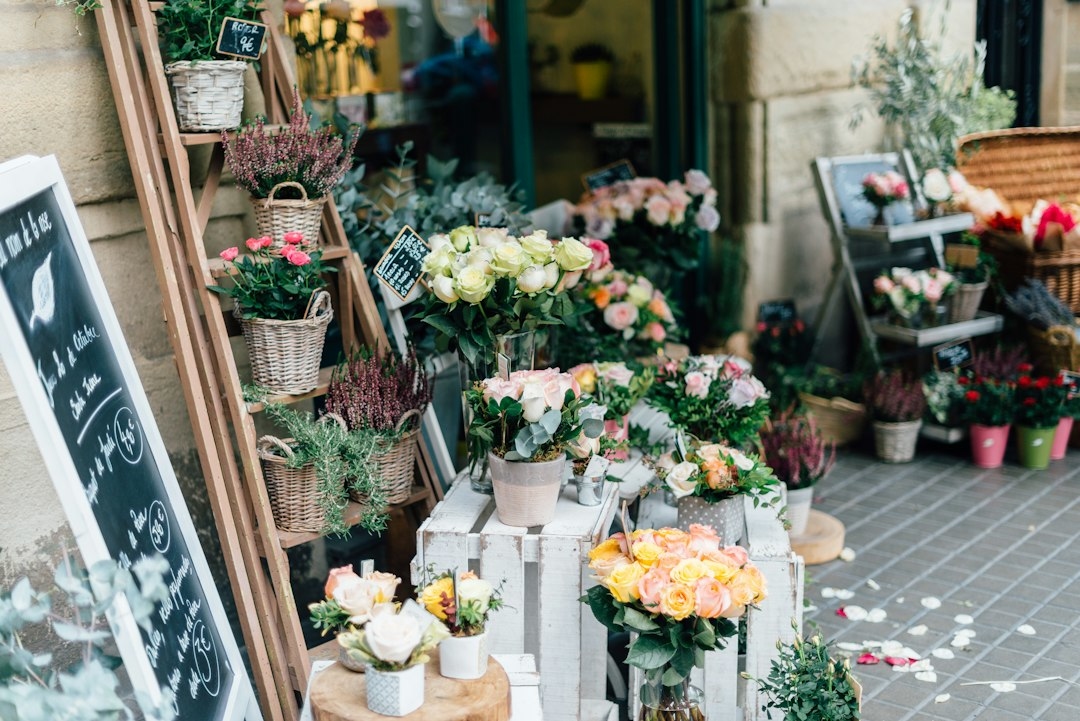
A home-based florist in Austin started with delivery-only orders through Instagram, building a following from real wedding work before eventually opening a small studio once consistent monthly revenue justified the added overhead.
Conclusion
A florist business built on genuine skill still needs disciplined pricing and reliable supplier relationships to turn a beloved hobby into an actually sustainable income, and starting small before scaling protects against overcommitting too early.
FAQ
Do I need formal floral design training to start?
No formal certification is required, though workshops or an apprenticeship with an established florist meaningfully accelerate skill development for complete beginners.
How much does initial inventory typically cost?
Starting wholesale flower inventory for a delivery-only launch typically costs $500-$1,500, depending on variety and order volume.
Can a florist business be run entirely from home?
Yes, many successful florist businesses start entirely home-based, provided local zoning and health regulations allow it for your specific area.
How do I price arrangements to actually turn a profit?
A common rule of thumb triples the wholesale flower cost to cover container, labor, and overhead, adjusting upward for complex designs or rush orders.
What’s the biggest early expense besides flowers themselves?
Reliable refrigerated storage for keeping flowers fresh often surprises new florists as a significant early cost, whether through a dedicated cooler or a small commercial refrigerator setup.



